GameDesignDegrees See the Rankings
Associate degree ranking

Best Associate Degree in Game Design Programs for 2027

The best associate degree in game design programs for 2027, by our score, are at Miami Dade College, CUNY Hostos Community College and Moorpark College. Here are the 54 community and technical colleges with a two-year game design, game programming or simulation program, compared on how many students finish, what they pay and how many graduates each program turns out.

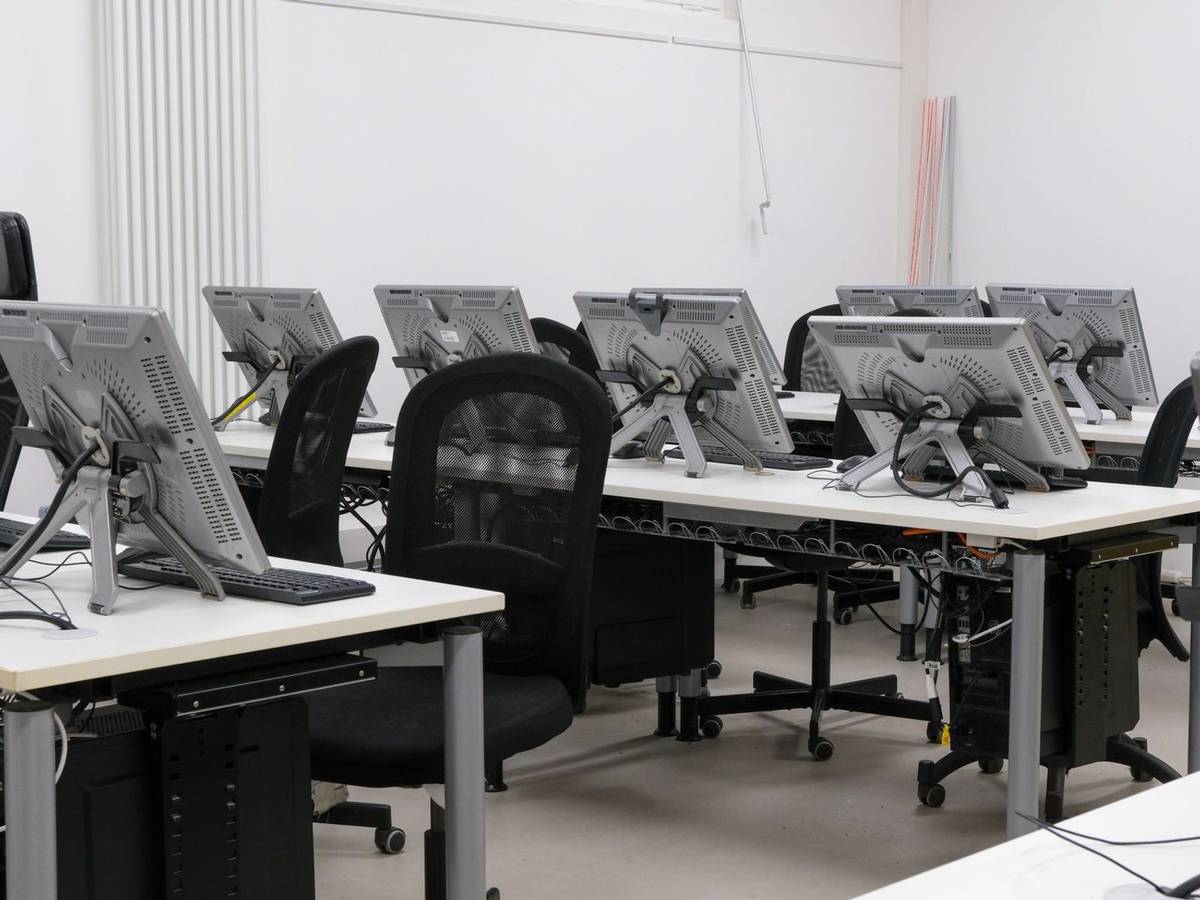
Rows of white desks in a bright classroom, each with a pen-tablet monitor and keyboard, seen from behind with empty chairs.
54 Associate Programs Ranked for 2027 Our ranking
75.2 Top Score: Miami Dade College Our ranking
$2,013 Lowest Net Price in the Top 25 IPEDS
On this page
  1. Game Design Associate Degrees in 60 Seconds
  2. Is a Two-Year Game Design Degree Right for You?
  3. How We Score These Programs
  4. The 25 Best Associate Degrees in Game Design in 2027
  5. More Top-Ranked Associate Degrees in Game Design: #26 to #54
  6. Who Goes on to Another College
  7. Community Colleges Against Private and For-Profit Game Design Schools
  8. Where the Associate Programs Are
  9. Building a Portfolio in Two Years and Planning a Transfer
  10. Frequently Asked Questions
  11. Related Pages
  12. Sources

Game Design Associate Degrees in 60 Seconds

  • Transfer figures count enrollment, not finished transfers. Across the ranked colleges the median is 26% of entering students enrolling elsewhere within eight years, and the highest is 59%. The share covers every student at the college, not only game majors. Ask the four-year school in writing which courses it accepts. Who Transfers ›
  • 49 of the 54 colleges are public. Those public colleges have a median net price of $7,400 and 30% completion. The 5 private ones have $36,600 and 59%. No private college reaches the top 25, which is a finding about price and completion, not about teaching. Public Versus Private ›
  • North Carolina has the most ranked colleges, 8. California follows with 7, then New Jersey and New York with 6 each. In the top 25, Wiregrass Georgia Technical College has the highest completion, 46%. Community colleges favor residents, so the nearest good program can beat the best-scoring one in another state. Where They Are ›
  • The median program graduates about 7 students a year. Small programs mean you will know your instructors, so decide in the first term what your portfolio should prove. Finish small projects instead of starting large ones, because a finished game says more than an abandoned one. Choose your four-year school early and work backward. Portfolio and Transfer ›

Heads up Most design and programming jobs at studios ask for a bachelor's, so many students use an associate degree as a cheaper first two years.

Is it for you

Is a Two-Year Game Design Degree Right for You?

Use this ranking if you want a cheaper first two years. An associate degree costs a fraction of a four-year school: the median net price here is $8,000 a year, and 49 of the 54 colleges are public. Many students take one, build a portfolio and transfer into a bachelor's.

Use a bachelor's ranking if you're aiming straight at studio design or programming jobs. Most of those ask for a four-year degree. Start with the best game design schools, or the certificate programs if you want something shorter still.

Methodology

How We Score These Programs

Every program is scored on three federal figures each college reports the same way: the school's eight-year completion rate, its average net price and the program's own graduates a year. Completion is 40 of the 100 points, net price 40 and size 20.

Two-year colleges are cheaper than four-year ones, so the price bands are set for them: the bachelor's bands would give almost every community college full marks. Completion counts every entering student, full-time and part-time, so rates are lower than at four-year colleges. That is the same for every school here.

Read the full methodology →

Who's included

Associate programs in game design, game programming or simulation, open to new students

A program makes this list when it is a associate degree in game design or interactive media, game programming or simulation and virtual environments at a college in the 50 states or DC, has had graduates in the last three years, and the school publishes its completion rate and net price. It must also be open to new students: closed and phasing-out programs are left off. A college with more than one such program appears once, with its higher-scoring program. A program missing one of these figures is left off rather than estimated.

What the score counts100 pts total
Net price
40 pts
What first-year students who get grants actually pay per year, at in-state rates for public colleges. A school-wide figure. Source: IPEDS.
Scoring: Points by yearly net price: 40 under $6k, 32 under $8k, 24 under $10k, 16 under $13k, 8 under $16k, 0 at $16k or more.
Completion
40 pts
How many entering students, full-time, part-time and transfer, finish a degree within eight years. A school-wide figure. Source: IPEDS.
Scoring: The rate times 40, so a 60% rate earns 24.
Grads a year
20 pts
How many students finish this program each year, averaged over three years. The program's own figure. Source: IPEDS.
Scoring: More graduates earn more points, quickly at first and then more slowly, up to all 20 at 20 or more a year. 5 a year earns 11.8, 10 a year earns 15.8.

What the Score Means for Associate Degrees in Game Design

Transfer can't be compared the same way at every college, so it doesn't change the score. Each card in the top 25 shows the closest measure instead, as "Went elsewhere": the share of entering students who enrolled at another college within eight years without an award from the first. The median across these colleges is 26.5%.

Top 25

The 25 Best Associate Degrees in Game Design in 2027

The 25 highest-scoring associate programs. Completion, net price and earnings are school-wide; graduates a year is the program's own. The score is out of 100.

1

Miami Dade College

Miami, FL · Public · Game design program

75.2
  • 17% went on to another college
  • Public

Miami Dade College teaches this A.S. through MAGIC, the Miami Animation and Gaming International Complex, with an emphasis on game programming. Students move through Introduction to Game Development, Object Oriented Programming Using C++, 3-D Programming I and II (the second covers virtual reality), Artificial Intelligence, Network Programming for Game Development and User Interface Design, then finish with a Game Development Project mentored by industry professionals. Specializations include game design, production, audio, graphics and animation, and web and mobile applications.

The degree is built for immediate entry into the games industry or related work in simulation and visualization, and the college lists transfer of existing credits toward the degree. Published in-state tuition is $1,987 against $7,947 out of state, and net price is $5,367 for aided first-years school-wide. About 24 students graduate from the program each year, at a college of 58,941 students where 38% complete within eight years and 17% enroll at another college.

Completion
38%school-wide
Net price
$5,367aided first-years
Grads a year
24this program
Earnings
$40,65410 yrs, all majors
Went elsewhere
17%enrolled at another college
Students
58,941largest school in the top 25
Campus setting
CityIPEDS locale
2

CUNY Hostos Community College

Bronx, NY · Public · Game design program

73.6
  • 23% went on to another college
  • Public

In the Bronx, CUNY Hostos Community College offers an Associate of Applied Science in Game Design, a two-year credential at one of the city's public community colleges. The program graduates about 26 students a year, so students are likely to find a real cohort to work with rather than a handful of classmates.

Cost is the strongest argument here. Published in-state tuition is $4,800 before aid, rising to $7,680 for out-of-state students, and school-wide net price for aided first-years is $5,463. Across the college, 34% of entering students complete within eight years and 23% enroll at another college, a figure for anyone planning to transfer into a bachelor's after the associate. Enrollment is 5,478, small enough to be a campus rather than a crowd, and school-wide earnings ten years out are $40,485 across all majors.

Completion
34%school-wide
Net price
$5,463aided first-years
Grads a year
26this program
Earnings
$40,48510 yrs, all majors
Went elsewhere
23%enrolled at another college
Students
5,478school enrollment
In-state tuition
$4,800published, before aid
3

Moorpark College

Moorpark, CA · Public · Game design program

72.2
  • 29% went on to another college
  • Public

Moorpark College builds its A.S. in Game Design around an interdisciplinary idea: the faculty recommend taking courses outside the major, such as art, business and creative writing, alongside the game classes. The sequence runs from Introduction to Game Design and Game Theory and Mechanics through Game Level Design, Mobile Game Development and Game Design Technologies I and II, ending in a Game Design Studio. An internship in game design is also on the course list, and a Certificate of Achievement is available.

The suburban Ventura County campus charges $1,354 in published in-state tuition, compared with $9,528 for out-of-state students. School-wide net price for aided first-years is $4,601, and 35% of entering students across the college complete within eight years, with 29% enrolling at another college. About 15 students graduate from the program each year, and the college enrolls 14,583 students overall.

Completion
35%school-wide
Net price
$4,601aided first-years
Grads a year
15this program
Earnings
$49,04410 yrs, all majors
Went elsewhere
29%enrolled at another college
Campus setting
SuburbanIPEDS locale
In-state tuition
$1,354published, before aid
4

Hinds Community College

Raymond, MS · Public · Game design program

71.1
  • 30% went on to another college
  • Public

Hinds Community College teaches Animation and Simulation Design Technology as an A.A.S. of 60 to 62 hours, and the curriculum leans toward art and production. Students take Introduction to 3D Modeling, Intermediate and Advanced 3D Modeling, Illustration and Artistic Rendering, Photography for Games and Video Game Programming I and II. Later courses add Game Theory and Mechanics, Game Evaluation, Audio Design and Production, and the business side through Marketing for Game Design and Business of Game Development.

Anyone planning to continue to a four-year school is told to talk with an advisor, and the college points to a Mississippi articulation agreement for transfer to public universities. The campus in Raymond is rural, in-state tuition is $3,700 against $6,750 out of state, and school-wide net price is $3,644 for aided first-years. About 11 students graduate each year, and 37% of entering students across the college complete within eight years.

Completion
37%school-wide
Net price
$3,644aided first-years
Grads a year
11this program
Earnings
$30,77410 yrs, all majors
Went elsewhere
30%enrolled at another college
Campus setting
RuralIPEDS locale
Out-of-state premium
$3,050published tuition, per year
5

Wayne Community College

Goldsboro, NC · Public · Game design program

70.4
  • 20% went on to another college
  • Public

In Goldsboro, Wayne Community College pairs art and code in its Game Art and Simulation Design degree. Coursework covers 3D modeling, character development, level design and animation on the art side, and C++ programming, artificial intelligence and simulation development on the technical side. Students build real projects, and three short credentials sit beside the degree: Modeling and Animation, Level Design for Simulation and Game Development, and Simulation and Game Development.

North Carolina community college tuition is low, with $2,432 published for in-state students and $8,576 for out-of-state students, and school-wide net price for aided first-years is $3,597. The program graduates about 8 students a year at a city campus of 3,626 students. Across the college, 40% of entering students complete within eight years and 20% enroll at another college, a figure to keep in mind for students aiming at a later bachelor's degree.

Completion
40%school-wide
Net price
$3,597aided first-years
Grads a year
8this program
Earnings
$34,14810 yrs, all majors
Went elsewhere
20%enrolled at another college
Students
3,626school enrollment
Campus setting
CityIPEDS locale
6

Central Piedmont Community College

Charlotte, NC · Public · Game design program

69.2
  • 33% went on to another college
  • Public

Central Piedmont describes this A.A.S. as the first state-approved associate degree program in game development in the United States. The 3D Modeling and Animation track covers computer graphics tools and techniques, 3D model assets, 2D and 3D animation, storyboarding, virtual and augmented environments and concept art, with Unity and Unreal Engine named among the workflows. Students build a portfolio of projects and take part in work-based learning that connects classwork to real jobs.

The two-year program runs in a hybrid format at Central Campus and online, and the college says it prepares students for both employment and transfer to a four-year institution. About 36 students graduate each year. Net price is $4,601 for aided first-years school-wide, in-state tuition is $2,432, and across the college 23% of its 20,375 students complete within eight years, while 33% enroll at another college.

Completion
23%school-wide
Net price
$4,601aided first-years
Grads a year
36this program
Earnings
$37,86510 yrs, all majors
Went elsewhere
33%enrolled at another college
Students
20,375school enrollment
Campus setting
CityIPEDS locale
7

Wiregrass Georgia Technical College

Valdosta, GA · Public · Game design program

68.3
  • Lowest net price in the top 25
  • 21% went on to another college
  • Public

At Wiregrass Georgia Technical College, game development covers interactive graphics and animation programming, computer science fundamentals, game design, studio art, electronic art, narrative storytelling and critical game studies. The A.A.S. runs six terms and 66 hours, and graduates are expected to have completed an internship in the game industry, built a professional-quality portfolio and documented their designs thoroughly.

Tuition is $2,568 for in-state students and $5,136 for out-of-state students, and school-wide net price for aided first-years is just $2,013. The rural campus is small, with 4,466 students, and about 4 students graduate from the program each year. Across the college, 46% of entering students complete within eight years and 21% enroll at another college, so students planning a bachelor's degree should plan their transfer early.

Completion
46%school-wide
Net price
$2,013aided first-years
Grads a year
4this program
Earnings
$30,86410 yrs, all majors
Went elsewhere
21%enrolled at another college
Campus setting
RuralIPEDS locale
Students
4,466school enrollment
8

Fayetteville Technical Community College

Fayetteville, NC · Public · Game design program

64.7
  • 38% went on to another college
  • Public

Fayetteville Technical Community College splits its Simulation and Game Development A.A.S. into two five-semester tracks, 3D Game Artist and Game and Interactive Programmer. Both draw on a broad background that touches creative arts, audio and video technology, creative writing, modeling, design, programming and management, with hands-on training in 3D modeling, design and programming. Each track is 66 credits, and the page lists certificates alongside the two degree tracks for students who want a shorter credential.

The program page prices tuition at $5,016 for in-state students ($76 a credit hour), with books, fees and supplies added on top. School-wide net price for aided first-years is $3,616. About 6 students graduate each year at a city campus of 11,755 students, where 31% of entering students complete within eight years and 38% enroll at another college.

Completion
31%school-wide
Net price
$3,616aided first-years
Grads a year
6this program
Earnings
$31,86110 yrs, all majors
Went elsewhere
38%enrolled at another college
Campus setting
CityIPEDS locale
In-state tuition
$2,432published, before aid
9

Mercer County Community College

West Windsor, NJ · Public · Game design program

64.1
  • 26% went on to another college
  • Public

Mercer County Community College describes the New York City and northern New Jersey region as one of the ten largest in the country for game design and development, and its A.A.S. is aimed at that job market. Most coursework happens in a studio with regularly updated hardware and software on both Macintosh and PC. Students use scripting tools to add interactivity, create 2D and 3D game art, write storyboards and prototypes, and build levels in industry-standard game engines.

The program prepares graduates for roles such as game designer, level designer, interface designer, producer and game artist, and it can be taken full-time or part-time, with some courses offered only in the evening. Published in-state tuition is $6,360 and out-of-state is $7,728, a $1,368 gap, and school-wide net price is $5,333. About 8 students graduate each year, and 25% of entering students across the college complete within eight years.

Completion
25%school-wide
Net price
$5,333aided first-years
Grads a year
8this program
Earnings
$43,26410 yrs, all majors
Went elsewhere
26%enrolled at another college
Out-of-state premium
$1,368published tuition, per year
Campus setting
RuralIPEDS locale
10

Stanly Community College

Albemarle, NC · Public · Game design program

63.8
  • 29% went on to another college
  • Public

Stanly Community College offers an A.A.S. in Simulation and Game Development in Albemarle, a town campus that is one of the few of its kind among the top 25 associate programs. With only 2,468 students school-wide, it is a small college where about 3 students graduate from the program each year, so classes are likely to be intimate.

Cost is where a small North Carolina community college helps most. Published in-state tuition is $2,432 and out-of-state tuition is $8,576, and net price for aided first-years is $5,001 school-wide. Across the college, 39% of entering students complete within eight years, 29% enroll at another college, and school-wide earnings ten years after entry are $36,686 across all majors. For a student who wants a two-year start in game and simulation development close to home, a low price and a small campus are the main draw, with transfer into a bachelor's as the next step.

Completion
39%school-wide
Net price
$5,001aided first-years
Grads a year
3this program
Earnings
$36,68610 yrs, all majors
Went elsewhere
29%enrolled at another college
Campus setting
Townone of the few town campuses in the top 25
Students
2,468school enrollment
11

Pasadena City College

Pasadena, CA · Public · Game design program

63.1
  • 27% went on to another college
  • Public

Pasadena City College's game design associate sits inside its Design Media Art department, so students share an incubator course with all Design/Media Arts majors. The 24-unit core runs History of Digital Games, Digital Art: Painting and Drawing, Game Design I, Game Design II: Game Engines, and a choice of motion graphics or 2D animation, 3D modeling or 3D animation, and interaction design or UX design. Students learn ideation, storyboarding, playtesting and programming with industry-standard engines, and build a portfolio.

California residents pay $1,104 in published tuition, while out-of-state students pay $9,744 more per year. School-wide net price is $5,492 for aided first-years. About 4 students graduate each year at a city college of 24,597 students, where 33% of entering students complete within eight years and 27% enroll at another college, so transfer planning matters.

Completion
33%school-wide
Net price
$5,492aided first-years
Grads a year
4this program
Earnings
$43,93710 yrs, all majors
Went elsewhere
27%enrolled at another college
In-state tuition
$1,104published, before aid
Out-of-state premium
$9,744published tuition, per year
12

Santa Rosa Junior College

Santa Rosa, CA · Public · Game design program

62.8
  • 20% went on to another college
  • Public

Santa Rosa Junior College's Game Development program offers two pathways, a certificate of achievement and an A.S. degree, and both focus on the history of games, gameplay design, user experience and coding. A 17-unit Computer Studies certificate comes first for students who want a shorter start, and accelerated 26-week and 35-week game development boot camps run alongside. Learning outcomes include systems-level thinking, visual interaction design and planning team-based projects.

California residents pay $1,242 in published tuition, while out-of-state students pay $9,990 more per year. School-wide net price for aided first-years is $7,133, and the college's published cost of attendance is $28,174. About 12 students graduate each year, and across the college 35% of entering students complete within eight years, with 20% enrolling at another college.

Completion
35%school-wide
Net price
$7,133aided first-years
Grads a year
12this program
Earnings
$47,22410 yrs, all majors
Went elsewhere
20%enrolled at another college
Out-of-state premium
$9,990published tuition, per year
In-state tuition
$1,242published, before aid
13

Schenectady County Community College

Schenectady, NY · Public · Game programming program

62.7
  • 31% went on to another college
  • Public

SUNY Schenectady's Programming for Game Design A.S. is written as the first two years of a bachelor's, and a signed transfer agreement sends students into the B.S. in Interactive Media and Game Design at SUNY Poly. Along the way students design and code websites, learn programming languages and build an electronic portfolio of game design elements, alongside math, business, science and humanities courses. Learning outcomes include building interactive games with programming languages, game engines and mobile platforms, and applying math and physics to game mechanics.

The county college is a city campus of 3,490 students with published in-state tuition of $4,968, and out-of-state students pay $2,484 more per year. Net price runs $5,550 for aided first-years school-wide. About 6 students graduate from the program each year, and across the college 26% finish within eight years while 31% enroll at another college, which fits a transfer-first plan.

Completion
26%school-wide
Net price
$5,550aided first-years
Grads a year
6this program
Earnings
$40,90210 yrs, all majors
Went elsewhere
31%enrolled at another college
Students
3,490school enrollment
Out-of-state premium
$2,484published tuition, per year
14

Columbus State Community College

Columbus, OH · Public · Game design program

61.8
  • 31% went on to another college
  • Public

Columbus State's Computer Science, Game Developer A.A.S. is a 63-credit-hour degree that is closer to computer science than to art. The plan includes Python, C++, JavaScript, HTML and networking, then Concepts of 3D Game Engines, Graphics in 3-D Game Engines, Foundations of 2-D Game Programming and 3D Modeling 1 and 2. A capstone puts programmers and designers in one room to make a game of their own design, and the 3-D Game Project rounds out the sequence.

Admission is open, with no selective review. The college lists entry-level Unity3D developer jobs in game studios as the career target, and notes that general education courses already transfer to Ohio colleges, though no formal articulation agreements exist yet. In-state tuition is $5,488 published, and net price is $6,842 for aided first-years school-wide. At a city college of 28,081 students, 29% finish within eight years and about 15 graduate from this program yearly.

Completion
29%school-wide
Net price
$6,842aided first-years
Grads a year
15this program
Earnings
$39,43510 yrs, all majors
Went elsewhere
31%enrolled at another college
Students
28,081school enrollment
In-state tuition
$5,488published, before aid
15

San Diego Mesa College

San Diego, CA · Public · Game design program

60.4
  • 37% went on to another college
  • Public

San Diego Mesa College houses video game design inside a broader Multimedia program, so the associate sits next to training in 3D animation, graphic design, web content and video production. Drawing and design courses supply the manual skills and the page frames the credential as preparation for a job in multimedia or for continued study at another institution.

California residents pay $1,104 in published tuition, and out-of-state students pay $8,856 more per year. Net price for aided first-years is $3,175 school-wide. Across the college, 23% of entering students complete within eight years, 37% enroll at another college, and the 19,212 students are a city campus population. About 5 students graduate from this program each year, so it is a small corner of a large school, and a transfer route to a four-year program is the likely next step for many students.

Completion
23%school-wide
Net price
$3,175aided first-years
Grads a year
5this program
Earnings
$45,12010 yrs, all majors
Went elsewhere
37%enrolled at another college
In-state tuition
$1,104published, before aid
Out-of-state premium
$8,856published tuition, per year
16

Mississippi Gulf Coast Community College

Perkinston, MS · Public · Simulation program

60.0
  • 26% went on to another college
  • Public

Mississippi Gulf Coast builds this A.A.S. in stages, with a 31-credit certificate, a 15-credit diploma and then the degree. A partnership with EON Reality puts students in the Interactive Digital Center to build augmented and virtual reality content. The first year covers Introduction to 3D Modeling, Game Theory and Mechanics, 3D Game Engine I, C# Programming and Advanced C#, then Immersive Design Principles and Audio for Simulation and Games.

Later terms add Animation and Rendering, 3D Artistry, Extended Reality (XR) Development and a Simulation and Game Project. The page calls the degree preparation for employment, and students who want a four-year school are told to schedule a conference with an advisor. The Perkinston campus is rural, in-state tuition is $3,600 published, and school-wide net price is $6,638 for aided first-years. About 7 students graduate each year, and 37% of entering students across the college finish within eight years.

Completion
37%school-wide
Net price
$6,638aided first-years
Grads a year
7this program
Earnings
$33,01710 yrs, all majors
Went elsewhere
26%enrolled at another college
Campus setting
RuralIPEDS locale
In-state tuition
$3,600published, before aid
17

Raritan Valley Community College

Branchburg, NJ · Public · Game design program

59.7
  • 26% went on to another college
  • Public

Raritan Valley Community College lists Game Development as an A.A.S. inside its Computing and Digital Design school, next to a separate Game Art associate of science. That placement matters for a student choosing between the programming-heavy and art-heavy routes, since both sit in the same computer science and technology area, along with networking, cybersecurity and interface design. The school says its programs suit students either preparing to transfer to a four-year college or heading straight into the workforce.

Tuition is $6,384 published and identical for in-state and out-of-state students. Net price is $6,334 for aided first-years school-wide, and 34% of entering students across the college complete within eight years, with 26% enrolling at another college. The campus in Branchburg is rural and enrolls 6,762 students, and about 8 students graduate from the game development program each year.

Completion
34%school-wide
Net price
$6,334aided first-years
Grads a year
8this program
Earnings
$48,14510 yrs, all majors
Went elsewhere
26%enrolled at another college
Out-of-state premium
Nonesame tuition for all students
In-state tuition
$6,384published, before aid
18

Western Piedmont Community College

Morganton, NC · Public · Game design program

58.6
  • 24% went on to another college
  • Public

Western Piedmont's Simulation and Game Development A.A.S. is 65 hours of coursework and lab work, aimed at web, mobile, virtual reality and augmented reality development. Students use a lab with VR stations, 3D scanning equipment and high-performance cross-platform computers to build portfolio content. The page names jobs such as 3D content creation, interactive visualization, game engine scripting and VR development for headsets including Oculus Quest, Valve Index and HTC Vive, and it also mentions freelance and remote contract work.

Credits also lead onward, since the college describes transfer pathways to four-year universities in interactive media. At 1,813 students, Western Piedmont is the smallest school in the top 25, in a city setting in Morganton. Published tuition is $2,432 in-state and $8,576 out-of-state, and net price is $7,429 for aided first-years school-wide. About 5 students graduate each year, and 37% finish within eight years across the college.

Completion
37%school-wide
Net price
$7,429aided first-years
Grads a year
5this program
Earnings
$34,19510 yrs, all majors
Went elsewhere
24%enrolled at another college
Students
1,813smallest school in the top 25
Campus setting
CityIPEDS locale
19

UCNJ Union College of Union County, New Jersey

Cranford, NJ · Public · Game programming program

57.6
  • 25% went on to another college
  • Public

UCNJ's A.A.S. in Game Design and Development pairs programming with fine arts. The recommended first year includes Fundamentals of Game Design, Fundamentals of 2D Design, Computer Programming Fundamentals, Introduction to Game Programming, Storytelling for Digital Media and The Business of Game Development. Students also work through gameplay, graphics programming, artificial intelligence and game algorithms, and learn how physics and mathematics connect to design. Graduates are expected to use a professional game engine to build prototypes.

The catalog describes entry-level game industry jobs as the goal, or transfer to a four-year game design program. Published tuition is $9,500 for everyone, the highest in-state tuition in the top 25, with no out-of-state premium. Net price is $7,469 for aided first-years school-wide. The suburban Cranford campus enrolls 8,330 students, about 7 graduate from the program yearly, and 31% finish within eight years across the college.

Completion
31%school-wide
Net price
$7,469aided first-years
Grads a year
7this program
Earnings
$41,59510 yrs, all majors
Went elsewhere
25%enrolled at another college
In-state tuition
$9,500highest in-state tuition in the top 25
Out-of-state premium
Nonesame tuition for all students
20

Mt Hood Community College

Gresham, OR · Public · Game design program

57.4
  • 19% went on to another college
  • Public

Mt. Hood's Computer Game Development degree is pitched at students who want a programmer role in the games industry. Students learn standard software, create game assets and program, apply design principles across different genres, and work in a team that resembles a real production group to build a portfolio. The page also says the skills carry into marketing, education and social media, and that credits prepare students for further learning elsewhere.

Enrollment is flexible, because the program can be started in any term once reading, writing and math placement is met. The Gresham campus is suburban, in-state tuition is $4,464 published and out-of-state is $9,036. School-wide net price is $6,667 for aided first-years. About 10 students graduate each year, and across the college 24% of its 6,476 students finish within eight years, with 19% enrolling at another college.

Completion
24%school-wide
Net price
$6,667aided first-years
Grads a year
10this program
Earnings
$41,12510 yrs, all majors
Went elsewhere
19%enrolled at another college
Campus setting
SuburbanIPEDS locale
In-state tuition
$4,464published, before aid
21

Stark State College

North Canton, OH · Public · Game design program

57.3
  • 18% went on to another college
  • Public

Stark State offers video game design and development in person and online, as a five-semester A.A.S. or as a two-semester certificate that can be finished entirely online. Every certificate class applies directly to the associate degree, which makes the certificate a stepping stone rather than a detour. Coursework centers on game mechanics, 2D and 3D design, animation and user experience, with playable projects feeding a portfolio.

The program page suggests roles such as junior game designer, level designer, game tester, junior animator and story writer, and notes that several graduates have released commercial games on Steam as independent developers. Transfer to a four-year program is named as another path. In-state tuition is $3,036 published, with out-of-state students paying $3,096 more per year. Net price is $6,740 school-wide, and about 7 students graduate yearly at a suburban North Canton campus of 10,128 students.

Completion
29%school-wide
Net price
$6,740aided first-years
Grads a year
7this program
Earnings
$34,66110 yrs, all majors
Went elsewhere
18%enrolled at another college
Campus setting
SuburbanIPEDS locale
Out-of-state premium
$3,096published tuition, per year
22

Norco College

Norco, CA · Public · Game design program

57.2
  • 29% went on to another college
  • Public

Norco College names Game Development among the career and technical programs it is especially noted for, and the associate degree is designed so transfer to any California State University or University of California campus is carefully supported. Students can choose among general education patterns, including CSU GE and IGETC, with counselors helping match a plan to their goals, and certificates of 4 to 30 units are often embedded within degrees.

The campus covers 141 acres in suburban Norco and serves over 15,000 students a year, with school-wide enrollment listed at 11,351. California residents pay $1,380 in published tuition, while out-of-state students pay $11,070 more per year, the largest premium in the top 25. Net price is $6,147 for aided first-years school-wide, 26% finish within eight years across the college, and school-wide earnings ten years out are $51,206 across all majors. About 9 students graduate from this program each year.

Completion
26%school-wide
Net price
$6,147aided first-years
Grads a year
9this program
Earnings
$51,20610 yrs, all majors
Went elsewhere
29%enrolled at another college
Out-of-state premium
$11,070largest out-of-state premium in the top 25
Campus setting
SuburbanIPEDS locale
23

Wake Technical Community College

Raleigh, NC · Public · Game design program

56.4
  • 29% went on to another college
  • Public

Wake Tech's Art and Modeling track is the art-focused branch of its Simulation and Game Development program, giving hands-on training in design, 3D modeling, animation and level design. The 70-credit degree draws on creative writing, audio and video technology, programming and management as well. It runs on campus or as an in-person and online hybrid, with day or evening schedules and full-time and part-time planning guides, at the Southern Wake Campus.

The page lists estimated tuition and fees of $5,320 for in-state students and notes the program is eligible for financial aid. Roles named include designers, artists, animators, programmers and quality assurance testers. With about 35 graduates a year, this is a sizable program inside a suburban Raleigh college of 24,609 students. Net price is $8,493 for aided first-years school-wide, and 31% of entering students across the college finish within eight years.

Completion
31%school-wide
Net price
$8,493aided first-years
Grads a year
35this program
Earnings
$41,76910 yrs, all majors
Went elsewhere
29%enrolled at another college
Students
24,609school enrollment
Campus setting
SuburbanIPEDS locale
24

Quinsigamond Community College

Worcester, MA · Public · Game design program

56.3
  • 10% went on to another college
  • Public

Quinsigamond's Interactive Media A.S., Game Design Option, walks students through a game from pre-production to post-production. Four semesters and 61 to 62 credits start with Fundamentals of Game Design and Development, Digital Design Concepts and Drawing the Human Form, then add Introduction to Game Design, Digital Illustration and Animation, and Introduction to Programming with C++. All courses are offered at the West Boylston Street campus, and the page advises meeting a transfer advisor early.

Admission needs a high school diploma or GED, placement into college-level English and a math placement. Published in-state tuition is $576, the lowest in-state tuition in the top 25, and the college lists $227 a credit for in-state students and $433 for out-of-state. Net price is $7,392 for aided first-years school-wide. About 6 students graduate yearly, and the city campus has 7,811 students, with 10% enrolling at another college.

Completion
30%school-wide
Net price
$7,392aided first-years
Grads a year
6this program
Earnings
$45,94910 yrs, all majors
Went elsewhere
10%enrolled at another college
In-state tuition
$576lowest in-state tuition in the top 25
Campus setting
CityIPEDS locale
24

Macomb Community College

Warren, MI · Public · Game programming program

56.3
  • 31% went on to another college
  • Public

Macomb's Programming for Electronic Games splits coursework between Information Technology and Media and Communication Arts, so students build technical and creative skills together. Topics include storyboarding, game design, animated graphics, mobile game concepts, image creation, 3D modeling and game physics, taught by faculty who are experienced game programmers. A certificate can be earned after a few courses or alongside the associate degree, and credits transfer to four-year schools.

Career Services helps with job search, resumes and interviews, and an online tool shows local jobs and pay with an associate or bachelor's. Published in-state tuition is $6,360, with out-of-state students paying $1,740 more per year. Net price is $5,317 for aided first-years school-wide. The Warren campus is a city setting with 16,300 students, and about 3 students graduate each year, while 18% finish within eight years across the college and 31% enroll at another college.

Completion
18%school-wide
Net price
$5,317aided first-years
Grads a year
3this program
Earnings
$41,59610 yrs, all majors
Went elsewhere
31%enrolled at another college
In-state tuition
$6,360published, before aid
Out-of-state premium
$1,740published tuition, per year
The rest of the list

More Top-Ranked Associate Degrees in Game Design: #26 to #54

The rest of the 2027 ranking, from #26 down, with what each program offers.

26

New Mexico State University-Dona Ana

Associate of Applied Science in Game Development

Las Cruces, NM · Public · Game design program

55.7

Dona Ana's 60-credit associate degree has students pick a focus in arts and animation, game design or programming, on top of core courses in 3D modeling, level design concepts, and digital image editing. A portfolio design course ends the sequence, and courses match those at the main NMSU campus. In-state tuition is $2,040. A low-cost way to try game development, with a school-wide net price of $6,212, though school-wide completion is 25%, so plan how to stay on track toward the 60 credits.

Completion
25%
Net price
$6,212
Grads a year
7
27

Pitt Community College

Associate Degree in Simulation and Game Development

Winterville, NC · Public · Game design program

55.5

Pitt's simulation and game development curriculum spans creative arts, modeling, design, programming and management, using industry-standard software to build 2D and 3D games for a variety of platforms. Topics include C# and Swift programming, mobile app development, level design and 3D modeling and texturing. In-state tuition is $3,648, and out-of-state tuition is $12,864. Suits students who want a broad creative-and-technical introduction at community-college prices, with a school-wide net price of $7,834, but out-of-state tuition of $12,864 is much higher and completion is 28% school-wide.

Completion
28%
Net price
$7,834
Grads a year
6
28

Bristol Community College

Associate of Science in Game Development - Game Creation

Fall River, MA · Public · Game programming program

54.3

Bristol's Game Creation program is one of seven degree options in its computer science department, so game students share a technical foundation with programming and web development peers. The pitch covers designing characters, coding gameplay and shaping environments. It is a public two-year college in Fall River, with in-state tuition of $576 and out-of-state tuition of $5,520. Suits local students who want a very low in-state price and a computer science foundation, but only one student graduates a year and school-wide completion is 29%, so check the program's size.

Completion
29%
Net price
$5,738
Grads a year
1
29

Montgomery College

Associate of Applied Science in Computer Gaming and Simulation

Rockville, MD · Public · Game design program

52.0

Montgomery College's gaming and simulation degree spans game programming, production and design, and game art and animation, with electives in 3D modeling and mobile games. Students build an online portfolio and can finish fully online, and many transfer to the gaming bachelor's at the University of Baltimore, which holds classes at the nearby Shady Grove campus. In-state tuition is $8,190. A good fit if you plan to transfer, since the University of Baltimore route at Shady Grove is close by, but school-wide completion is 20% and the net price of $8,668 is above the $8,190 in-state tuition.

Completion
20%
Net price
$8,668
Grads a year
21
T-30

Collin County Community College District

Associate of Applied Science in Animation and Game Art

McKinney, TX · Public · Game design program

51.6

Collin's 60-credit animation and game art degree teaches storytelling, 3D animation, modeling and character development, plus 2D and 3D art for interactive media, including asset creation, level design principles and real-time graphics. Project-based classes mimic a studio pipeline with instructors from industry. In-state tuition is $3,750, and out-of-state tuition is $6,000. Worth a look for artists who want studio-style projects at a low in-state price, with 40 graduates a year, though school-wide completion is 19%, so ask how students are supported toward graduation.

Completion
19%
Net price
$8,071
Grads a year
40
T-30

Milwaukee Area Technical College

Associate of Applied Science in Computer Simulation and Gaming

Milwaukee, WI · Public · Game programming program

51.6

MATC lets students lean toward game design or programming, with courses in game logic, engine scripting, Agile project management and a collaborative lab, and along the way students can earn a technical diploma in Unity development. The program runs in person at the downtown Milwaukee campus or online, with August and January starts. In-district tuition is $4,485. Best for students who want to choose between design and programming and can attend in person or online, though school-wide completion is 33% and the net price of $9,047 is double the in-district tuition.

Completion
33%
Net price
$9,047
Grads a year
8
32

Connecticut State Community College

Associate of Science in Game Design

New Britain, CT · Public · Game design program

50.3

This associate degree covers animation, sound design, level design, 3D modeling and computer graphics, tied to industry-standard game engines, and it introduces production proposals, budgets and team responsibilities. Credits are transferable to several state universities and other colleges, and the program is offered at the Manchester campus. In-state tuition is $4,608, against $13,872 out of state. Suits students who plan to transfer to a state university, with 11 graduates a year, but out-of-state tuition is $13,872 and school-wide completion is 25%, so in-state students get the better deal.

Completion
25%
Net price
$9,059
Grads a year
11
33

Bergen Community College

Software Development A.A.S. - Game Programming

Paramus, NJ · Public · Game design program

50.0

Bergen's game programming option is one concentration inside its applied software development degree, alongside database programming, network administration and web development. That makes it a programming-first path into games, with coursework that can transfer into computer science and information technology majors at four-year colleges. In-state tuition is $7,760, and out-of-state tuition is $8,160. A good fit if you want a programming-first path with transfer options, but tuition barely differs for out-of-state students, and school-wide completion is 33%, with six graduates a year.

Completion
33%
Net price
$8,955
Grads a year
6
34

Moraine Park Technical College

Associate of Applied Science in Video, Animation, and Motion Graphic Design

Fond du Lac, WI · Public · Game design program

49.5

Moraine Park's two-year, 66-credit degree is broader than games, covering animation, video, motion graphics and sound, with course highlights in motion and visual effects, introduction to 3D animation, and virtual worlds and game applications. Students learn to take projects from concept through completion, in Fond du Lac and West Bend. In-district tuition is $4,462. Best for students who want a broad media degree rather than games alone, with school-wide completion of 59%, a figure that suggests students tend to stay, though only four students graduate a year.

Completion
59%
Net price
$10,074
Grads a year
4
35

Brookdale Community College

Associate of Applied Science in Game Design

Lincroft, NJ · Public · Game design program

48.2

Brookdale's A.A.S. walks students through making a game start to finish, from storyboards and player avatars to non-player characters, scenes and entire worlds. Assets are created, imported into a game engine and made interactive, leaving graduates with the start of a portfolio. The suburban Lincroft campus charges $8,130 in-county tuition and $8,880 for out-of-county students. Suits students who want to complete a full game from storyboard to engine at a suburban campus, but school-wide completion is 34% and the net price of $9,032 is above the $8,130 in-county tuition, so compare costs.

Completion
34%
Net price
$9,032
Grads a year
4
36

Arapahoe Community College

Associate of Applied Science in Game Design and Development

Littleton, CO · Public · Game design program

48.0

Arapahoe's degree is programming-heavy, with computer science, game programming, 3D game programming and mobile app development alongside motion graphics and 3D animation, plus a capstone. Electives let students steer toward art or code, though the program is in teach-out and not accepting applications. In-state tuition is $4,058, compared with $16,658 for out-of-state students. The catch is that the program is in teach-out and not accepting applications, so it only matters if you are already enrolled; school-wide completion is 27% and in-state tuition is far below the out-of-state rate.

Completion
27%
Net price
$9,786
Grads a year
7
37

Mohawk Valley Community College

Associate of Applied Science in Game Art

Utica, NY · Public · Game design program

47.9

Mohawk Valley's game art degree is aimed at 3D artists, starting with core 3D art and visual development, then moving in year two to game asset creation, character development and environment design. A capstone project and portfolio development close it out. Transfer options include Alfred University, SUNY Oswego and SUNY Fredonia, and in-state tuition is $5,266. A match for aspiring 3D artists who want a defined transfer path to a SUNY school or Alfred University, though only three students graduate a year and school-wide completion is 37%.

Completion
37%
Net price
$8,149
Grads a year
3
38

Gwinnett Technical College

Associate of Applied Science in Game Development

Lawrenceville, GA · Public · Game design program

47.3

Gwinnett Tech's game development degree follows a game from initial concept through design, development and quality assurance testing, using industry-driven programming tools. It is a full-time program that starts in fall, spring or summer, with day, evening and online class options at the Lawrenceville and Alpharetta-North Fulton campuses. In-state tuition is $2,568. A good fit for students who need day, evening or online classes, with 13 graduates a year and low in-state tuition, but the school-wide net price of $12,116 is higher than the tuition suggests.

Completion
35%
Net price
$12,116
Grads a year
13
39

New England Institute of Technology

Associate of Science in Game Development and Simulation Programming

East Greenwich, RI · Private nonprofit · Game design program

46.8

NEIT's game development and simulation programming degree is code-focused, with C++ and industry-standard software taught in laboratories and small classes. Team-based projects and presentations build communication skills, and students assemble a portfolio to show in job interviews. The suburban East Greenwich campus charges $34,875 in published tuition. Suits students who want a code-focused associate degree and can afford the price: school-wide completion is a high 67%, but the net price of $36,714 is far above community-college levels.

Completion
67%
Net price
$36,714
Grads a year
28
40

Red Rocks Community College

Associate of Applied Science in Simulation and Game Design

Lakewood, CO · Public · Game programming program

43.6

Red Rocks offers this 60-credit simulation and game design degree within its multimedia graphic design department, so students work alongside design, web and motion graphics courses on the Lakewood campus. Computer labs and video gear match industry equipment, and Colorado's guaranteed transfer program supports moves to four-year schools. In-state tuition is $4,058. Worth a look if you want guaranteed transfer in Colorado and design courses alongside games, though only two students graduate a year and school-wide completion is 31%, so check the program's size.

Completion
31%
Net price
$9,250
Grads a year
2
41

Lehigh Carbon Community College

Associate of Arts in Computer Game and Simulation Development (Digital Arts track)

Schnecksville, PA · Public · Game design program

40.8

This digital arts track in computer game and simulation development focuses on creating game assets, with courses in 2D game graphics, advanced 3D modeling and texturing, and character rigging and animation. Pennsylvania's statewide articulation lets graduates transfer as juniors to partner colleges, including Harrisburg University. In-state tuition is $7,500, and out-of-state tuition is $11,250. Best for students who want to focus on art assets and transfer to a partner college as juniors, but school-wide completion is 24% and the net price of $8,956 is above the $7,500 in-state tuition.

Completion
24%
Net price
$8,956
Grads a year
2
42

Pratt Institute-Main

Associate of Occupational Studies in Game Design and Interactive Media

Brooklyn, NY · Private nonprofit · Game design program

39.4

Pratt packs a studio-heavy game design education into four semesters by dropping general education courses, with students in the studio from day one. Work spans collaboration, production, world-building and motion graphics, with tools like Maya, Houdini, Unreal and Unity, and second-year internships. Published tuition is $59,821 at the Brooklyn campus. Suits students who want an intense studio-only program in four semesters and can pay for it: school-wide completion is a strong 72%, but the net price of $51,702 is a heavy cost for an associate degree.

Completion
72%
Net price
$51,702
Grads a year
4
43

Academy of Interactive Entertainment

Associate of Occupational Studies in Game Programming

Lafayette, LA · Private nonprofit · Simulation program

38.7

AIE's game programming degree focuses on C# and C++, the main languages used in game development. Courses are built by industry practitioners and taught in a studio environment, with an incubator program for graduates who want to start their own studios. It is a small Lafayette campus of 89 students, and published tuition is $24,600. Best for students who want to specialize in programming at a tiny campus with industry-built courses, with school-wide completion of 59%, though the net price of $32,896 is high for an associate degree.

Completion
59%
Net price
$32,896
Grads a year
9
44

Johnson County Community College

Associate of Applied Science in Game Development

Overland Park, KS · Public · Game design program

38.0

Johnson County's four-semester game development degree has two tracks, game design and game programming, available online or in person. Students work in teams and explore artificial intelligence, virtual reality and the business side of the industry, and the skills also apply to simulation and data visualization. In-county tuition is $2,520, and out-of-state tuition is $5,304. A good fit if you want a choice of design or programming tracks at a low in-county price, with 16 graduates a year, though school-wide completion is 29% and the net price is $13,949.

Completion
29%
Net price
$13,949
Grads a year
16
45

SUNY College of Technology at Alfred

Associate of Science in Game & Interactive Design

Alfred, NY · Public · Game design program

37.6

Alfred's two-year associate degree is the shorter route into the same Digital Media and Animation Department program. Courses include 3D game design in an engine, with level design and virtual reality, and interface design for game UI and UX, and students can later continue to the four-year bachelor's. In-state tuition is $7,070. Worth a look if you want to start with a two-year degree and keep the bachelor's open, with a school-wide net price of $14,877, though only two students graduate from the associate program a year.

Completion
56%
Net price
$14,877
Grads a year
2
46

Guilford Technical Community College

Associate of Applied Science in Simulation and Game Development

Jamestown, NC · Public · Game design program

35.9

GTCC's simulation and game development degree covers programming, graphics, storylines and the business requirements of building working games for PC and mobile devices. Students can take it entirely online or at the High Point campus, and all required software is free to students. In-state tuition is $2,128, and out-of-state tuition is $7,504. Ideal for budget-minded students who want an online option and free software, with in-state tuition of $2,128, though school-wide completion is 27% and the net price is $13,374.

Completion
27%
Net price
$13,374
Grads a year
13
47

Finger Lakes Community College

Associate of Science in Game Programming and Design

Canandaigua, NY · Public · Game design program

35.3

Finger Lakes' 63-credit A.S. is a transfer-minded degree, with coursework in programming, 3D animation, game design and math, taught in person or hybrid. Project-based learning in a collaborative classroom builds a portfolio of creative projects using industry software. The rural Canandaigua campus charges $5,376 in-state tuition and $7,560 out of state. Suits students who plan to transfer to a four-year school and want hybrid or in-person project classes, but school-wide completion is 34% and the net price of $13,035 is higher than the tuition suggests.

Completion
34%
Net price
$13,035
Grads a year
7
48

Blinn College District

Associate of Applied Science in Simulation and Game Programming

Brenham, TX · Public · Game programming program

34.2

Blinn's game programming degree runs four semesters on a sequence of programming fundamentals, game and simulation programming I through III, and level design I and II. Students also take iOS application programming, 3D modeling, game scripting and two project development courses, then a portfolio course. In-district tuition is $3,690, against $8,370 out of district. A good fit for students drawn to code, with a clear sequence of programming and level design courses, but school-wide completion is just 16%, so ask about advising and retention.

Completion
16%
Net price
$12,910
Grads a year
5
49

Paradise Valley Community College

Associate of Applied Science in Video Game Production

Phoenix, AZ · Public · Game design program

33.5

Paradise Valley's 62 to 79-credit degree blends business concepts, game narrative, music, sound design and animation, and embedded certificates let students specialize in game art, audio and music, narrative, or scripting and coding. Students finish with a portfolio of work. Arizona residents pay $2,328 in tuition, and out-of-state students pay $8,929. Best for Arizona residents who want to specialize with an embedded certificate in art, audio, narrative or coding, though out-of-state tuition is almost four times higher and school-wide completion is 26%.

Completion
26%
Net price
$14,322
Grads a year
9
50

Mesa Community College

Associate of Applied Science in Video Game Production

Mesa, AZ · Public · Game design program

31.6

Mesa's video game production program is built to stack: certificates of completion in audio and sound, coding and scripting, game art and game narrative can be earned on the way, or combined with the associate degree. Students plan, design and produce games in a program meant to speed up entry into the field. Tuition for Arizona residents is $2,328. Suits students who want to earn certificates on the way to the degree and get into the field faster, but school-wide completion is 19%, so plan how to finish the stackable pieces.

Completion
19%
Net price
$13,767
Grads a year
11
51

Glendale Community College

Associate of Applied Science in Video Game Production

Glendale, AZ · Public · Game design program

29.2

Glendale's associate degree has students create planning materials like sketches, character sheets, storyboards and prototypes, then build a cohesive game from them, with scripting and team collaboration along the way. A game studies course is recommended for those planning to transfer to Arizona State University. In-state tuition is $2,328, and out-of-state tuition is $8,929. Worth a look if you plan to transfer to Arizona State University and want planning and prototyping skills, though school-wide completion is 21% and out-of-state tuition is $8,929.

Completion
21%
Net price
$13,166
Grads a year
6
52

Butler Community College

Associate of Applied Science in Game and Simulation Design

El Dorado, KS · Public · Simulation program

28.8

Butler's game and simulation design degree mixes game design strategy, 2D and 3D animation, cinema technology and game development coding. Students can earn Unity's developer certification and Adobe certifications in Photoshop, Illustrator and more, and finish with a professional portfolio. In-state tuition is $3,090, and out-of-state tuition is $4,890 at the El Dorado campus. Best for students who want industry credentials, such as Unity and Adobe certifications, on top of the degree, with 15 graduates a year, though the school-wide net price of $16,417 is higher than the tuition.

Completion
27%
Net price
$16,417
Grads a year
15
53

Keiser University-Ft Lauderdale

Associate of Science in Video Game Design

Fort Lauderdale, FL · Private nonprofit · Game design program

26.6

Keiser's associate degree covers character development, 3D modeling and animation, level design, game prototyping and programming fundamentals, using industry-standard game engines. Creative work in computer graphics, interactive design and narrative design sits beside the technical courses. Published tuition is $23,856 at the Fort Lauderdale campus. The catch is cost: a school-wide net price of $33,865 is high for an associate degree, so this suits students who want the Fort Lauderdale campus and small classes, with school-wide completion of 37%.

Completion
37%
Net price
$33,865
Grads a year
5
54

Academy of Art University

Associate of Applied Science in Game Development

San Francisco, CA · Private for-profit · Simulation program

23.2

This associate degree lets students specialize in game design, game art or concept art, with core classes in digital drawing, Maya, 2D tools and tabletop-based game theory, plus a mobile UI and UX course. A portfolio course builds a first body of work. It is offered online and on campus in San Francisco, with published tuition of $29,736. Worth a look if you want a fast route into a portfolio with a choice of game or concept art, online or in San Francisco, but school-wide completion is 26% and the net price is $36,591.

Completion
26%
Net price
$36,591
Grads a year
6
Transfer

Who Goes on to Another College

An associate degree is often a step toward a bachelor's. Each of the top 25 cards above puts the college's completion rate beside the share of its entering students who later enrolled at another college ("Went elsewhere"). That second figure covers every student at the college, not only game majors, and it counts enrollment elsewhere, not a finished transfer.

Among the 25 top-25 colleges that report it, the share runs from 10% at Quinsigamond Community College to 38% at Fayetteville Technical Community College; the median across every ranked college is 26.5%. Both figures count all entering students, eight years after they started.

Public and private

Community Colleges Against Private and For-Profit Game Design Schools

Of the 54 colleges in this ranking, 49 are public, which is 91% of the list. The 5 private colleges here have a median net price of $36,600 and a median completion rate of 59%. The 49 public colleges have $7,400 and 30%. Net price is what students who received aid paid on average after grants, and completion is the share of all entering students at the college who finished within eight years. Both describe the whole college, not the game program, so read them as a measure of the school you'd be joining.

ControlCollegesMedian net priceMedian completionMedian graduates a year
Public49$7,40030%7
Private nonprofit4$35,30063%7
Private for-profit1$36,60026%6
Ranked associate programs in game design, game programming and simulation, grouped by who runs the college. Net price: IPEDS student financial aid. Completion: IPEDS Outcome Measures. Graduates a year is the program's own three-year average.

What the Price Gap Does and Doesn't Tell You

The score's price scale is set for two-year colleges, and no private college reaches the top 25. That's a finding about price and completion, not about teaching. A private school may offer smaller studios, a specific engine or a faculty member you want to learn from, and none of that shows up in federal data. If you're weighing one, ask what the extra cost buys and ask for the same things you'd ask a public college: graduating students' projects, the courses that run each term and a written list of the four-year schools that accept its credits.

Check the program's own page before you apply. Aid changes the net price a lot from one student to the next, so run each college's net price calculator with your family's figures. The median across the whole list is $8,000 a year, which is a starting point and not a quote.

Where

Where the Associate Programs Are

The 54 ranked colleges sit in 22 states. The 5 states with the most ranked colleges hold 52% of the list between them, and 8 states have just one.

StateRanked collegesMedian net priceMedian completion
North Carolina8$6,20031%
California6$5,80030%
New York6$10,60036%
New Jersey5$7,50033%
Arizona3$13,80021%
The states with the most ranked associate programs, with the median of their colleges' school-wide figures. Net price: IPEDS student financial aid. Completion: IPEDS Outcome Measures.

Why Location Matters More Here

Community colleges usually charge a lower price to residents of their own district or state, and they're built to serve commuters. That makes the nearest good program a better pick than the best-scoring one in another state, unless you're ready to pay out-of-state rates or move. If you live in a state with one ranked college, that college is your short list. If you live in a state with several, compare their cards above and then their course lists.

Start from your own state on the rankings by state page, which lists the game design programs near you. A program in a big metro may also sit near studios and meetups, and the rankings by city page shows which metros have programs close by.

Plan

Building a Portfolio in Two Years and Planning a Transfer

The median ranked program graduates about 7 students a year, so many of these are small programs where you'll know your instructors and classmates. That helps with the part of the degree that matters most: finished projects you can show. A two-year degree is short, so decide in the first term what you want your portfolio to prove. It could be a small game made in an engine, level or environment work, or a playable prototype with a short design document.

Three habits make the time count. Finish small projects instead of starting large ones, because a finished game says more than an abandoned ambitious one. Save every version and write down what you decided and why. Show your work to people outside class, whether at a game jam or in an online community, and use their feedback. The game design portfolio guide covers what to include and how to present it.

Planning the Transfer From the First Term

If a bachelor's is the goal, pick the four-year school early and work backward. Ask its admissions office, in writing, which of the community college's courses it accepts toward the game design or programming major, and whether there's a formal agreement between the two schools. A school that has one can tell you exactly which courses count. Courses in drawing, programming and game production transfer less cleanly than general education, so confirm those specifically.

The transfer figures on the cards above show how common moving on is. Among the 54 ranked colleges that report it, the median is 26.5% of entering students enrolling at another college, the highest is 59%, and 12 of them send on a larger share than the 31% median completion rate. A college with a high share isn't worse. It may simply be a place where students plan to move on. Remember that this figure counts all students and enrollment elsewhere, not a finished bachelor's.

Compare your options before committing. The best game design schools ranking covers the four-year side, and the game design classes guide describes what the courses look like, so you can check an associate program's course list against what a bachelor's will expect.

FAQ

Frequently Asked Questions

What Is the Best Associate Degree in Game Design?

By this site's score, Miami Dade College has the best associate degree in game design for 2027, followed by CUNY Hostos Community College and Moorpark College. All 54 colleges with an associate program in game design, game programming or simulation and the figures to score it are ranked, on completion (40 points), net price (40) and size (20). Completion counts every entering student, so rates run lower than at four-year colleges. See the top 25.

Can You Get a Game Design Job With an Associate Degree?

Sometimes, mostly in testing, junior art or production support. Most design and programming jobs at studios ask for a bachelor's, so many students use an associate degree as a cheaper first two years before transferring. A portfolio of finished projects matters more than the credential in either case. Plan your two years around a reel or a playable build from the start. See how to build a portfolio in two years.

Do Associate Credits Transfer to a Bachelor's?

Often, but not automatically. Ask the four-year school which courses it accepts before you enroll. Across these colleges, a median of 26.5% of entering students went on to enroll at another college within eight years, which is the closest federal measure of transfer. It is not a transfer rate for game design students, and the figure varies a lot from college to college. See who goes on to another college.

How Much Does an Associate Degree in Game Design Cost?

The median net price after grants at these 54 colleges is $8,000 a year, and 49 of them are public community or technical colleges. Net price is a school-wide average for aided first-year students, so your own number depends on aid and residency. Two-year colleges cost less than four-year ones, which is why this ranking uses lower price bands than the bachelor's rankings. See every college's net price.

How Long Does an Associate Degree in Game Design Take?

An associate degree in game design takes about two years of full-time study, and part-time study stretches that. The program's own graduates a year range widely, and the median across these colleges is 7. Transfer-bound students should map their courses to a four-year program early, since a mismatch can add a term. Check each college's page for its credit count and term length. See how to plan the two years.

Is an Associate Degree in Game Design Worth It?

An associate degree is worth it when price is your main constraint or when you plan to transfer, and less so as an end point. The median net price is $8,000 a year and the median eight-year completion rate is 31%, so finishing is the real risk. Most design and programming jobs at studios ask for a bachelor's, so many students use an associate degree as a cheaper first two years before transferring. Compare community colleges with private schools.

Should I Choose a Community College or a Private School?

A public community college is usually the cheaper start, and a private school is worth it only if its completion and outcomes justify the price. The 5 private colleges here have a median net price of $36,600 and a median completion rate of 59%. The 49 public colleges have $7,400 and 30%. The trade-off is that the cheapest college is not always the one that finishes the most students. Compare both figures for any college you consider, along with the transfer figures, since a cheap start only helps if the credits carry to a bachelor's. See the comparison by control.

Sources

  1. 1 NCES, IPEDS Completions 2022 to 2024 and Completions by Distance Education 2024 Every program in the ranking, the field code it is filed under, its graduates each year, and whether the school reports it can be completed by distance education. 354 programs in four fields. Accessed .
  2. 2 NCES, IPEDS Outcome Measures 2023 The completion factor: the share of all entering students, full-time, part-time and transfer, who earned an award within eight years. School-wide.
  3. 3 NCES, IPEDS Student Financial Aid 2022-23, average net price The cost factor: average net price for first-time, full-time students who received grant aid, in-state for public schools. School-wide.